



Client: Sassy Social
Website: https://www.sassy.social/home
Project Duration: 12-15 Weeks
Technologies:
- Frontend: React.js (SPA)
- Backend: Node.js (Express)
- Database: MongoDB
- APIs: RESTful architecture for modular integration
- Deployment: Cloud hosting with CDN and scaling support
Client Background & Goals
- Building a highly interactive social platform with engaging user experiences
- Using React.js for fast, dynamic frontend performance
- Structuring backend APIs with Node.js for efficient data handling
- Leveraging MongoDB as a flexible, scalable database for all content and user data
- Supporting core social features such as real-time feeds, notifications, and profile interactions
- Ensuring a smooth and consistent experience across all devices
Key Challenges
- Dynamic User Interactions: Social platforms require instant UI updates, real-time feed changes, and smooth interactions without page reloads.
- Scalability Needs: The platform needed to support future growth in both user volume and feature complexity.
- High-Volume Data Handling: Managing large volumes of user-generated content such as posts, media, and activity logs efficiently.
- Performance & UX: Users expect fast load times and responsive interfaces, even during heavy usage.
- Security & Stability: Secure handling of authentication, user sessions, and real-time interactions was critical.
Our Approach
Modern Frontend with React.js
React.js was selected for its component-based architecture and efficient UI rendering. This allowed us to deliver:
- Fast user interactions
- Seamless page transitions
- Dynamic content loading without full refresh
- Consistent performance using React’s virtual DOM
Robust Backend with Node.js
The backend was built using Node.js with Express to manage:
- RESTful APIs
- Authentication workflows
- Data querying and business logic
- Business logic and data processing
- Asynchronous request handling for high concurrency
MongoDB-Powered Data Architecture
MongoDB was implemented as the primary database to support:
- User profiles and relationships
- Posts, media, and activity feeds
- High-frequency read/write operations
- Flexible schema evolution as features and modules expand
Responsive & Adaptive UI
The interface was optimised for:
- Mobile users
- Desktop users
- Tablets
Real-Time and Interactive Features
Core social features such as live feed updates, notifications, and messaging were implemented using API-driven React state management, with architecture prepared for future WebSocket or push-based real-time enhancements.
Key Features
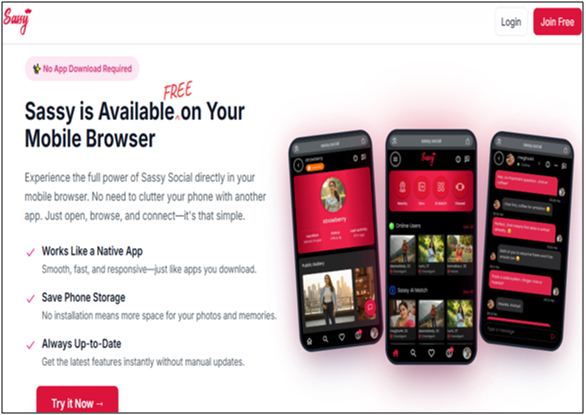
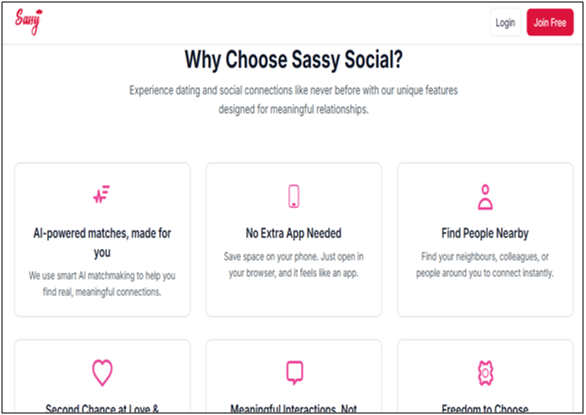
- Interactive Feed — dynamic content loading
- User Profile Management — handle uploads, settings, and preferences
- Social Interactions — favourites, real-time chats, and private messaging
- Responsive UI — fully web-based application, optimized for browsers and crafted to feel like a native mobile app
- Scalable Backend APIs — well-structured Node.js endpoints
- Optimised Data Access — efficient MongoDB queries for high-performance data handling
Results
- Smooth, Modern UI with React.js The platform delivers fast, engaging user experiences with dynamic components.
- Efficient Backend Processing with Node.js Node.js APIs handle concurrent requests efficiently and scale with user growth.
- Scalable Database Architecture MongoDB supports flexible data storage and high-volume activity without performance degradation.
- Optimised Mobile Experience Users enjoy a seamless, app-like experience across all devices.
Takeaways
- React.js is ideal for interactive, real-time social platforms
- Node.js enables efficient and scalable backend communication
- MongoDB provides the flexibility and performance required for social data at scale
- Clean architecture and modular API design simplify future feature expansion